
Every year on May 25th, Argentina celebrates one of the most important moments in its history: the Revolución de Mayo — the May Revolution. It’s a patriotic holiday filled with flags, traditional food, school performances, historical reenactments, and at least one person wearing a colonial-era hat that looks suspiciously homemade.
But despite what some people assume, May 25th is not Argentina’s Independence Day. That comes later, on July 9th. Think of May 25th as the moment Argentina collectively said, “Maybe we should start running things ourselves.”
So, What Happened on May 25, 1810?
Back in the early 1800s, Argentina was still part of the Spanish Empire and known as the Viceroyalty of the Río de la Plata. Spain, meanwhile, was having a rough time. Napoleon invaded, the Spanish king was removed from power, and chaos spread across Europe.
People in Buenos Aires looked at the situation and basically asked:
“If Spain doesn’t even know who’s in charge… why are we still taking orders from them?”
After several tense meetings, public pressure, and political maneuvering during what became known as Semana de Mayo (May Week), local leaders removed the Spanish viceroy and formed the Primera Junta — the first local government.
No dramatic fireworks. No giant battlefield scene. Just politics, debates, and a growing desire for self-rule. In true bureaucratic fashion, one of the foundations of a nation was laid through meetings and paperwork.
The Famous Rainy Plaza
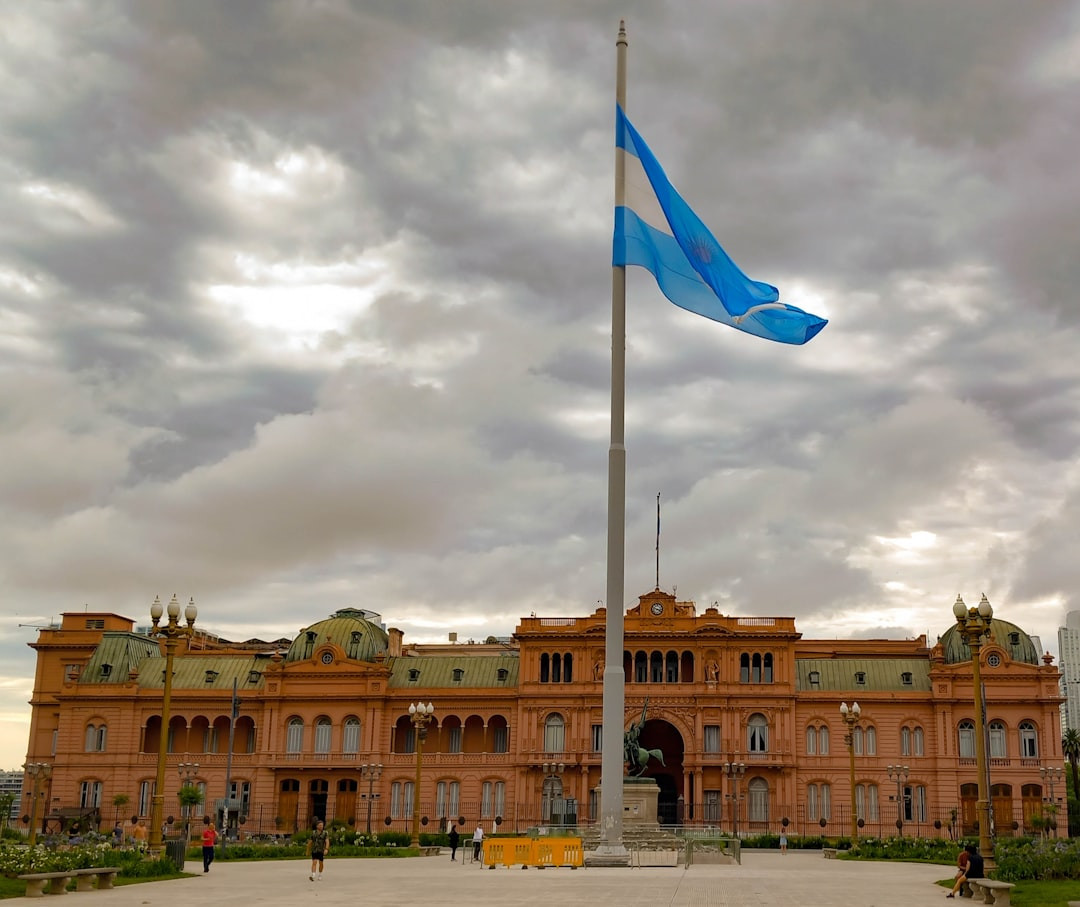
One of the iconic images associated with the May Revolution is the crowd gathered in the Plaza de Mayo under rainy skies, demanding answers from the colonial authorities.
Argentinians learn about this scene from childhood. School plays across the country recreate it every year, usually involving:
- tiny children dressed as colonial citizens,
- cardboard umbrellas,
- and one nervous kid trying to remember his one line:
“¡El pueblo quiere saber de qué se trata!”
(“The people want to know what’s going on!”)
Historians may debate some details, but the image has become part of Argentina’s national identity.
Food: The Other National Symbol
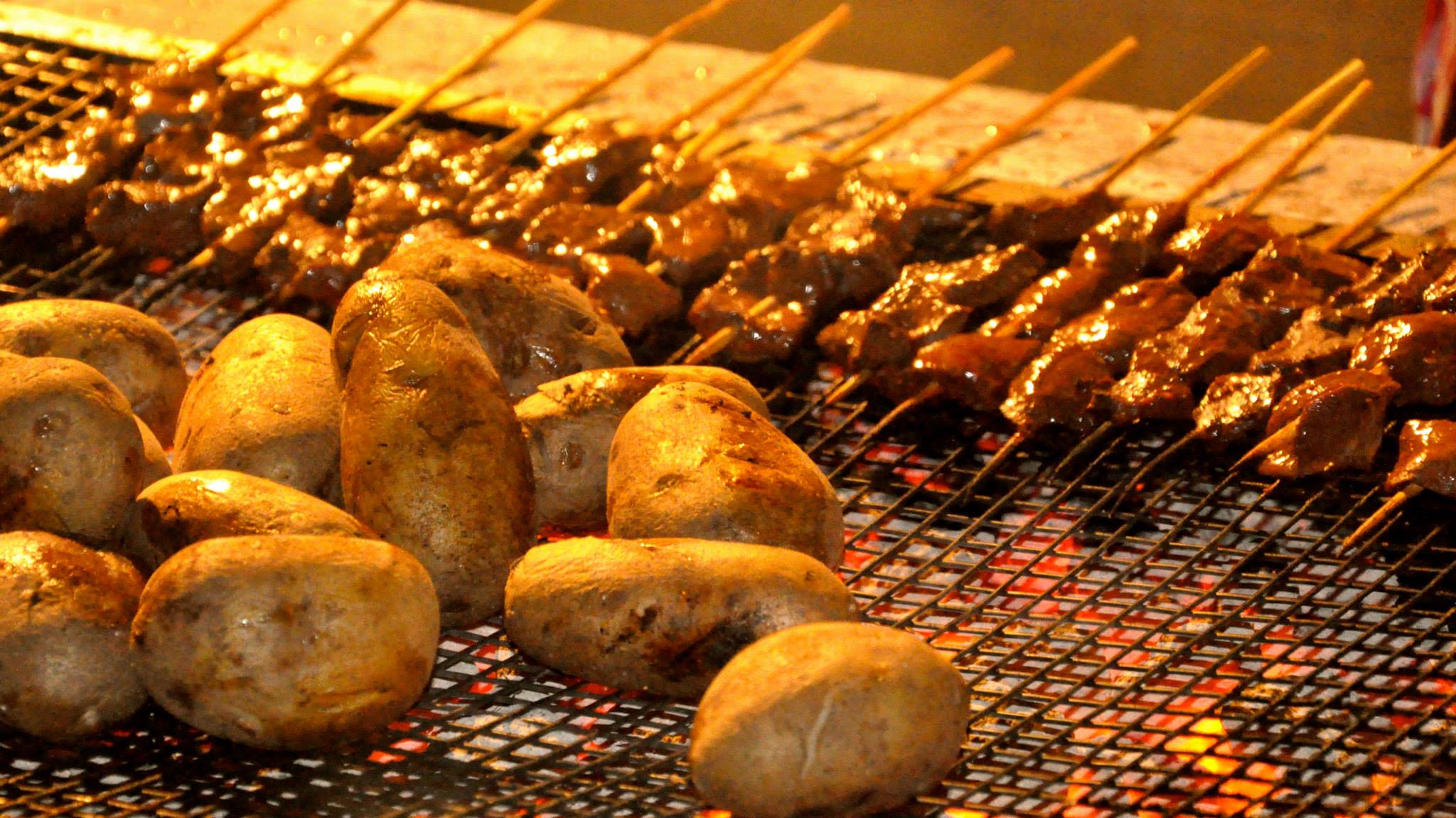
No Argentine celebration is complete without food, and May 25th has its own traditional menu.
Families and communities often prepare:
- locro (a hearty stew perfect for cooler autumn weather),
- empanadas,
- pastelitos,
- churros,
- and hot chocolate.
In many homes, the weather forecast for May 25th is less important than the question:
“Who’s making the locro this year?”
This can become a highly political discussion in itself.
Patriotism, Argentine Style
Unlike some national holidays that focus heavily on military victories, May 25th celebrates civic participation and the beginning of political autonomy. It’s about citizens pushing for representation and local decision-making.
Of course, Argentinians also celebrate it with music, dancing, folk traditions, and gatherings that can last all afternoon. Patriotism in Argentina usually comes with guitar music and something delicious simmering in a giant pot.
Why the May Revolution Still Matters
More than two centuries later, May 25th remains a symbol of national identity and collective action. It reminds Argentinians of the moment when ordinary people and local leaders started shaping their own future instead of waiting for distant rulers to decide it for them.
It’s history, politics, culture, and comfort food all wrapped into one holiday.
And honestly, any national celebration involving historical reflection and empanadas is probably doing something right.
Leave a Reply